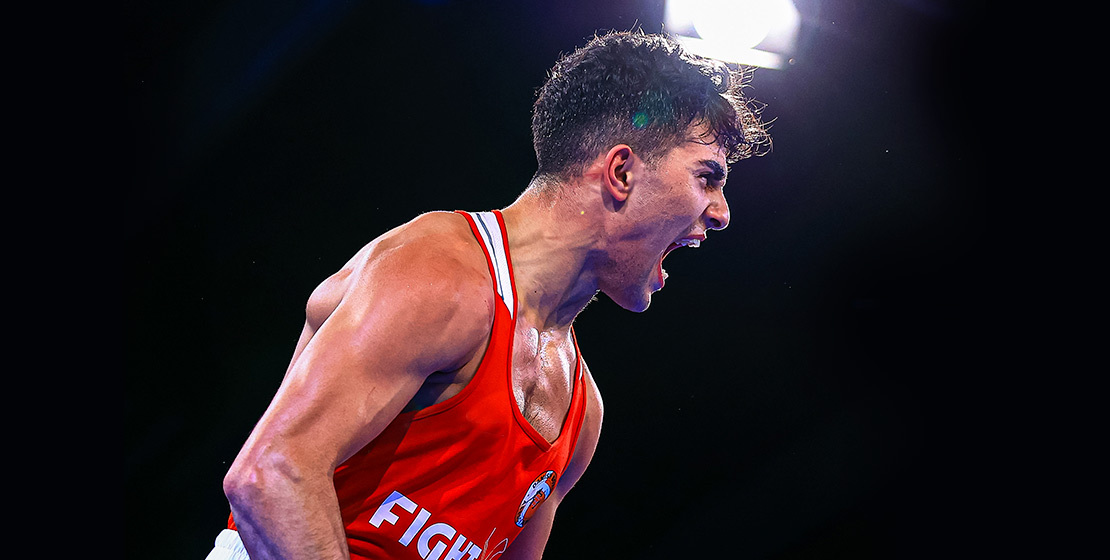

IBA President warns Olympic movement will fade unless IOC reforms now and rewards athletes
June 11th, 2026 / General
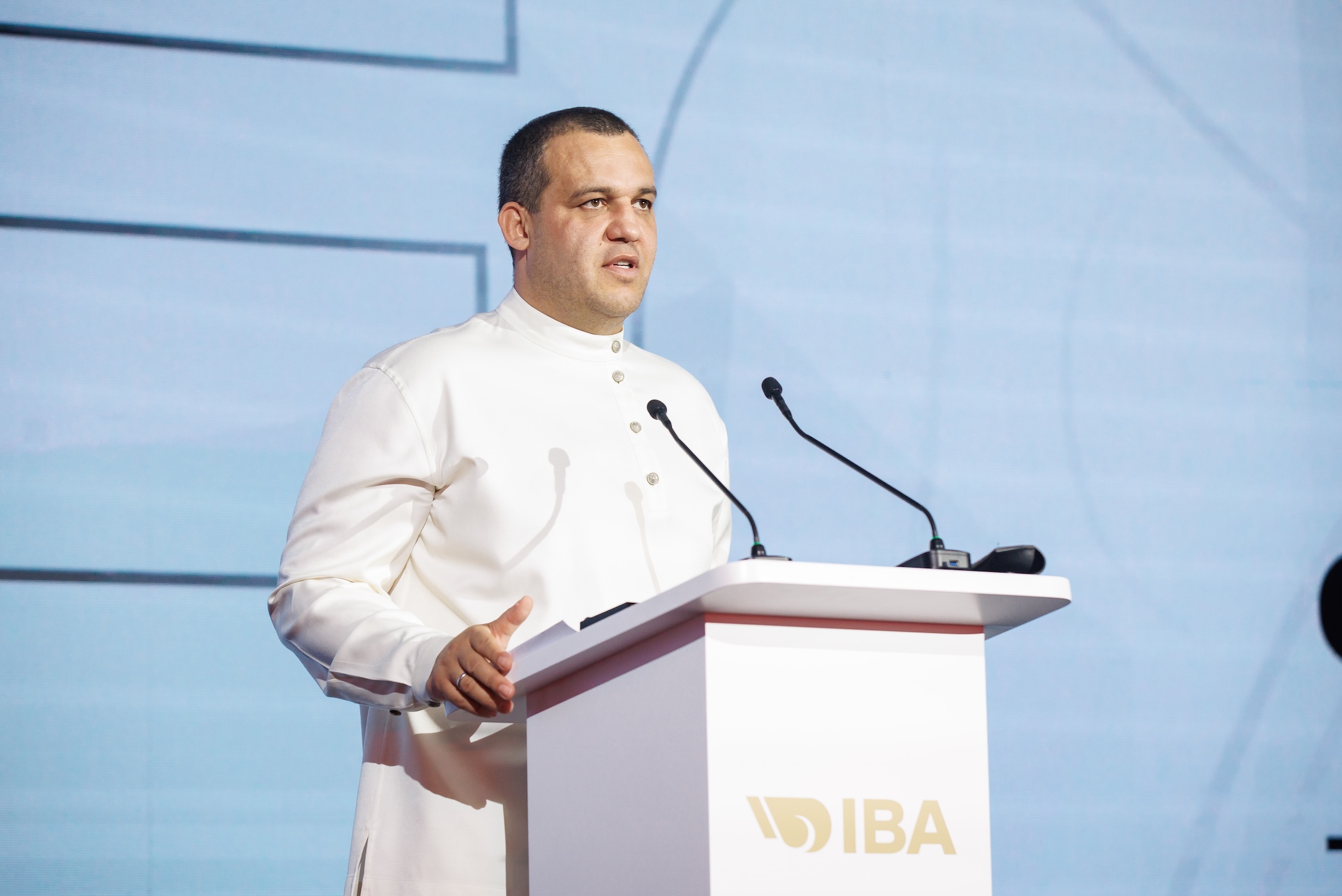
The International Boxing Association (IBA) President Umar Kremlev has called for urgent reform of the Olympic model, warning that the Olympic movement risks long-term decline unless the International Olympic Committee (IOC) begins to treat athletes as the central stakeholders of the Games rather than symbolic participants in a system built around commercial extraction.
IBA President stressed that the latest public comments from IOC President Kirsty Coventry once again exposed the widening gap between the rhetoric of athlete‑centred sport and the reality of how Olympic revenues are distributed.
In a recent interview to New Zealand’s SportNation, Coventry said: “I don’t believe in paying athletes. I come from a small country, I came from a sport that doesn’t necessarily pay athletes very well, and I still don’t think we should be paying athletes at the Olympic Games.” She later clarified that she was referring specifically to Olympic prize money and argued that the IOC’s role should be to support a broad number of athletes on the pathway to the Games rather than to reward a small number of medal winners.
For the IBA President, however, that clarification only confirmed the underlying problem: the IOC still refuses to recognise that athletes are not only “the heart of the Olympic movement” in speeches, but also the source of its commercial value. In a short term, it could cause fading of the Olympic movement should the IOC ignore the necessity of immediate reforms.
For the IBA leadership, Coventry’s stance exposes the central weakness of the current Olympic system. “The IOC keeps saying the Olympic movement is built around athletes, but when it comes to sharing value, the athletes are always last in line – or not in line at all,” Kremlev said. “They create the spectacle, carry the pressure and generate the audience and commercial interest, yet they are still expected to accept symbolic gratitude – flowers and medals – instead of well-deserved fair share of the revenues their performances produce.”
The IOC continues to defend its approach through Olympic Solidarity. “Olympic Solidarity is presented as proof that the system works, but in reality it allows the IOC to avoid the basic question,” Kremlev said. “If the Games earn billions because of athletes, why is there still no clear mechanism for those athletes to receive direct compensation from the body that profits most from their success?”
He added that the traditional notion of amateurism no longer matches the demands placed on Olympic athletes. “Purely amateur sport, the way Olympic disciplines were once imagined, simply cannot exist in today’s reality. The training load, the medical standards and the commercial pressure are already fully professional – the only thing that remains ‘amateur’ is the way athletes are treated financially. At the end of the day, athletes should be able to provide for their families. That is the reason why IBA pays so much attention to prize money.”
The IBA President also stresses that National Olympic Committees and governments should not be left to carry the full responsibility of rewarding athletes after already paying for their long-term development. National systems identify talent, invest in coaching, training, travel, medical support and long‑term preparation, often over many years and at considerable cost. In Kremlev’s view, it is fundamentally wrong that countries are expected to finance the entire pathway to Olympic success and then also finance the rewards, while the IOC commercialises that success on a global scale.
“NOCs and governments have already done the hardest and most expensive part on their respective levels – they raised the champions,” Kremlev said. “The IOC then monetises those champions every four years and tells the world that someone else should pay them. That is not solidarity. That is a business model built on shifting responsibility downward while keeping prestige and revenue at the top.” According to Kremlev, this position is becoming harder to sustain at a time when the Olympic brand is under growing commercial pressure.
After Paris 2024, Intel exited the IOC’s TOP sponsorship programme when its agreement concluded, becoming the fifth global sponsor to leave following the departures of Atos, Bridgestone, Panasonic and Toyota. These developments show that no global sports property can afford to rely on legacy alone, especially when athletes, sponsors and audiences increasingly expect transparency, fairness and modern governance.
IBA, for its part, announced prize money payments for its events back in 2021 and has since introduced a structured reward system for Olympic boxing medallists and quarter‑finalists starting from Paris 2024. Kremlev says this approach is designed to align incentives across the sport and to demonstrate that direct financial recognition strengthens, rather than weakens, elite competition.
“Prize money is a concrete, measurable and logical step toward aligning incentives: athletes who deliver the product that powers the Olympics receive fair compensation; sponsors and broadcasters obtain predictable, high‑quality competition; and International Federations operate within a framework that rewards transparency,” he said. “The IBA will continue to act as a financial shield for our boxers. Everything the IBA earns is reinvested directly back into our athletes, coaches and National Federations.”
Kremlev believes a modern Olympic model must combine development support, transparent revenue distribution, stronger athlete representation and direct compensation linked to performance. Without such reforms, he warns, the IOC risks losing audience, income and trust – not suddenly, but steadily, until the Olympic movement’s prestige is no longer enough to hold the sports world together.